
Re-Powering Rural Dignity: Rural Transformation Through Energy Transition
Source: AP Photo/Anupam Nath
Abstract
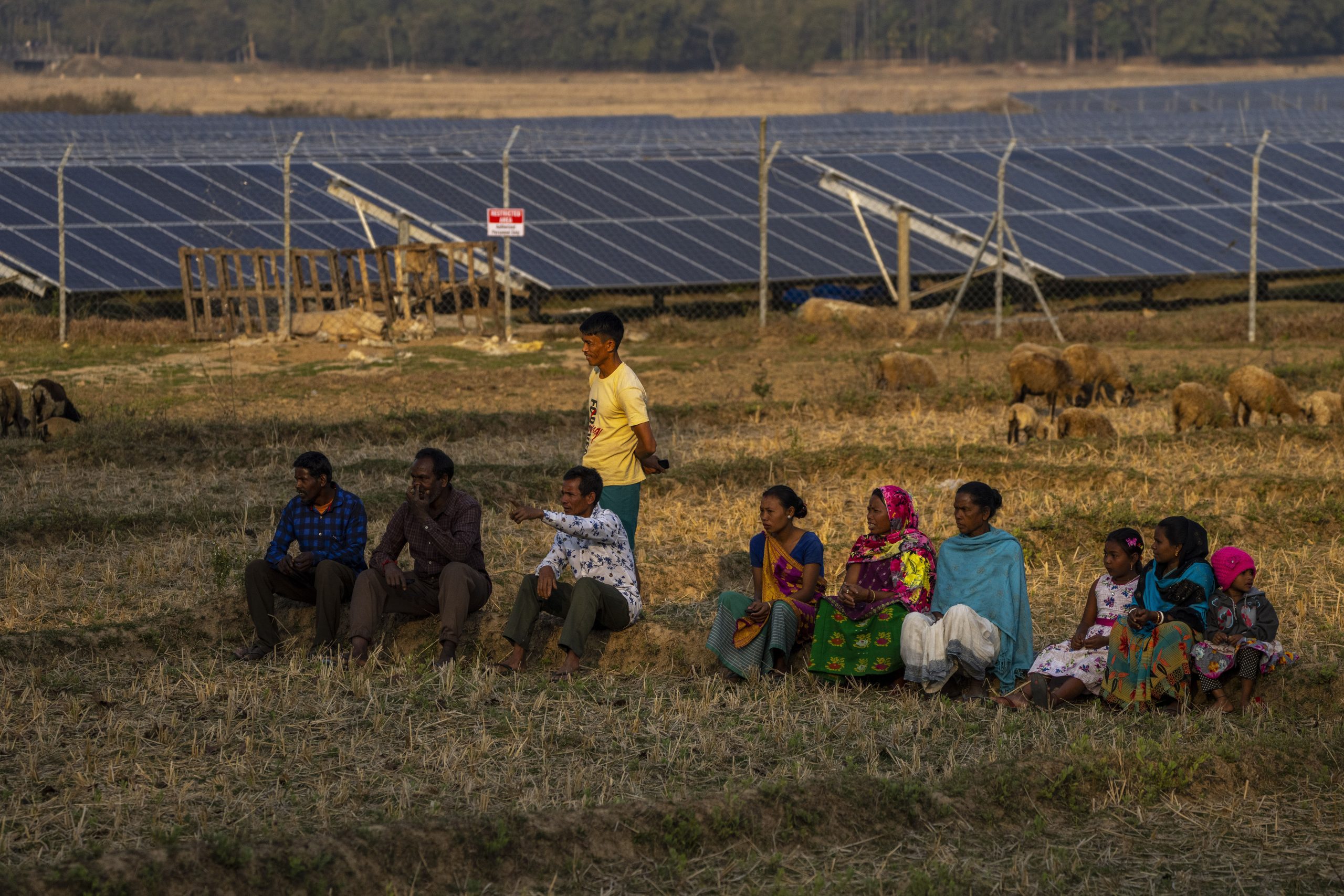
In the electric power discourse, rural India holds an undignified space. Non-payment for electricity consumption by rural households, free power for farmlands, power theft and pilferage, and the high cost of supplying to geographically dispersed rural load centres have been seen as a bane for the electric power system in India. Moreover, the organised demand for subsidised electricity in rural areas is alleged to be the root cause for a rising and unsustainable pattern of electricity-centred competitive populism. On the other hand, owing to these allegations, rural India is often deprived of a reliable electricity supply and the dignity of consumer service to the extent that electricity access has no meaningful impact on productivity and human well-being.
In this backdrop, this chapter argues that the ongoing transition in the electric power systems from fossil fuel to renewable energy is an opportunity to rethink rural energy demand and thus restore rural dignity in the nation’s growth discourse. The chapter suggests ways to harness renewable energy, particularly solar energy, and reliable access to electricity to boost rural productivity in farm and non-farm activities, diversify rural livelihoods, and thus, contribute to building a resilient rural India. It envisions dignified access to modern energy in rural India through the promotion of electric-powered on-farm value additions, expansion of non-farm activities, in ways that are sensitive to intersectional barriers, and the enhancement of rural energy demand and ability to pay for the cost of electricity.
 Download the Study


Related Publications

Opinions
Energy Transitions
Rural Energy Must Deliver More Than Connections
Sarada Prasanna Das
BasisPoint Insight | 13 November 2026
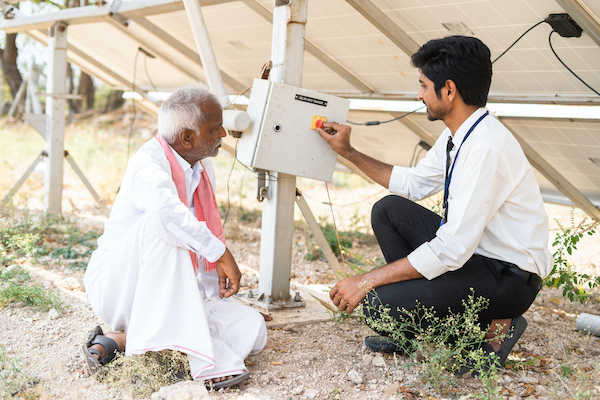
India's rural energy transition will remain incomplete if electricity connections do not translate into better lives and stronger livelihoods. Rural energy policy must focus on productive uses, reliable supply and local institutions to turn electricity access into economic opportunity. The measure of success should be whether these systems sustain useful services and expand economic opportunity long after they are installed.
Opinions
Energy Transitions
Towards the next frontiers in India’s energy transition
Sarada Prasanna Das and Shubhranshu Suman
Ideas for India | 5 October 2026
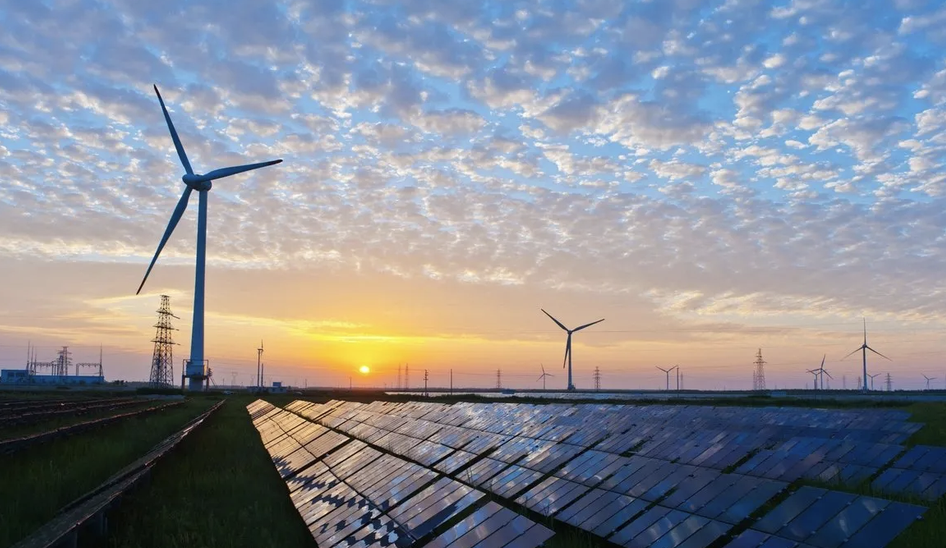
Non-fossil installed power capacity now constitutes a significant share of India’s total installed power capacity. In this post, Das and Suman argue that the next stage of India’s energy transition requires greater attention to system integration and the actual contribution of clean energy to electricity generation – while also recognising the broader socioeconomic opportunities that the transition can create.
Reports
Energy Transitions
The Energy Transition in Irrigation: A Case Study on Community Solar Irrigation in Chhattisgarh
Sarada Prasanna Das, Ashwini K. Swain, and Catherine Ayallore
ETPI | 30 September 2026
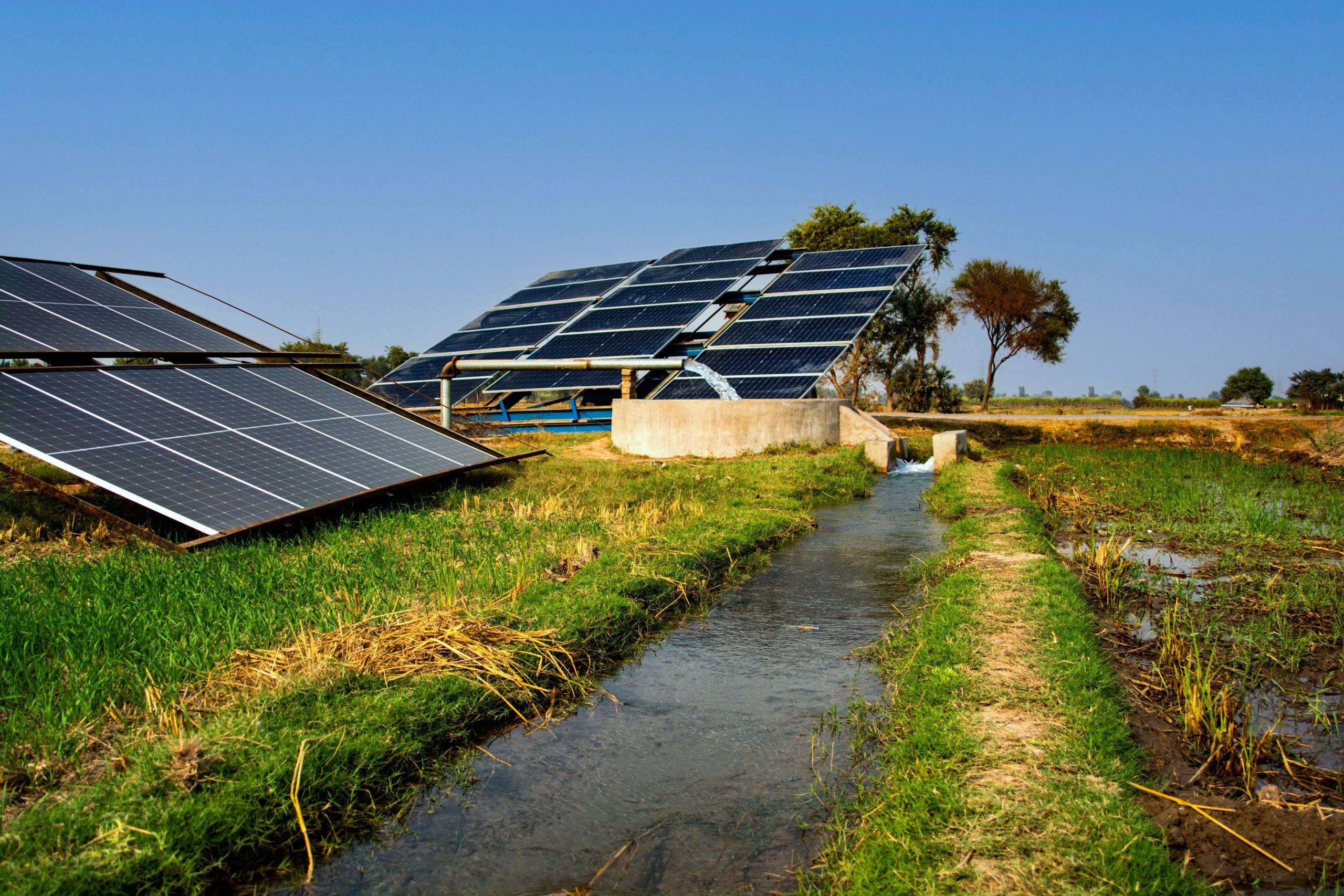
Chhattisgarh is implementing India’s first large-scale, state-supported community solar irrigation scheme. This case study finds it has brought irrigation to 2,851 hectares, directly benefiting 2,740 marginal and small farmers. It examines how the scheme combines local and line department funds with state institutional support, and its potential for livelihood gains.